Reading to Kids by Age: What, How and How Long, From Baby to Age 8
November 2, 2026 · 8 min read
Reading aloud is one of the simplest things you can do with a child, and one of the most recommended. The American Academy of Pediatrics encourages parents to read with children from infancy. But what you read to a six-month-old and what you read to a seven-year-old are very different things.
Here's a practical guide to reading to kids by age: what kind of books work, how long kids can usually listen, and how to make it something your child looks forward to.
A quick note on time: every child is different, and there's no magic number of minutes. Follow your child's attention, not the clock. A few minutes of happy reading beats a long session that ends in wriggling and tears.
Babies (0 to 12 months)
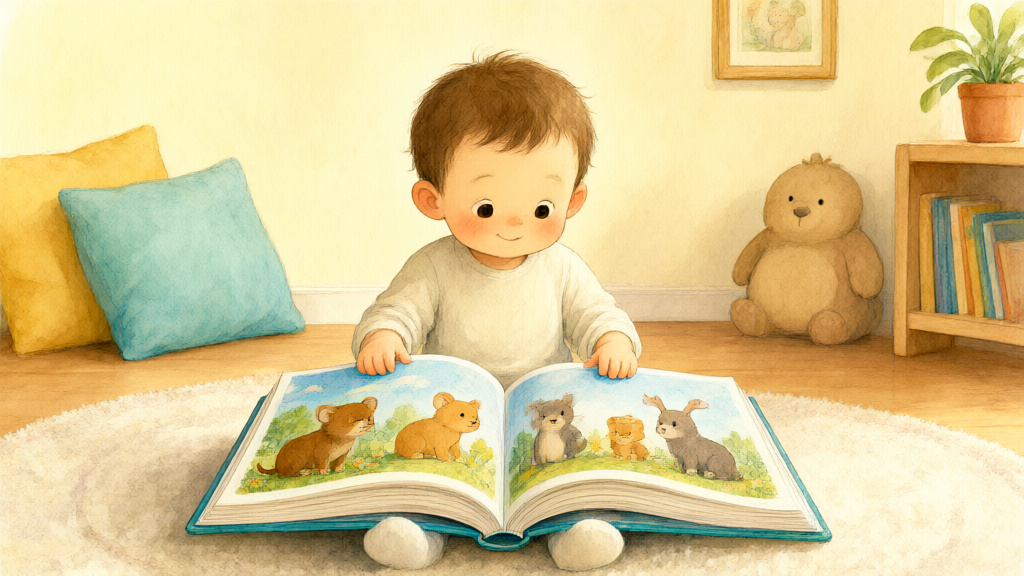
What to read: Board books, cloth books, bath books. High-contrast pictures for young babies, then simple photos of faces, animals and everyday objects. Rhymes and songs count too.
How long: A few minutes at a time, a few times a day if you like. Babies drift off, chew the corners and wiggle. That's normal.
How to read:
- Hold your baby close so they can see your face and the pictures.
- Point and name: "Look, a dog. Woof!"
- Don't worry about finishing the book. Talk about the pictures instead.
- Use a sing-song voice. Babies love rhythm.
At this age, reading is mostly about your voice, closeness and routine. A book before naps or bedtime starts a habit that pays off for years.
Toddlers (1 to 3)
What to read: Short picture books with simple stories, lift-the-flap books, books with repetition and predictable lines, books about everyday life: bath time, the park, the potty, a new baby.
How long: Often five to ten minutes, sometimes longer when they're into it. Toddlers may want to flip ahead, go back, or read the same page five times.
How to read:
- Let them hold the book and turn the pages.
- Pause so they can fill in a familiar word: "And the little duck said... quack!"
- Ask simple questions: "Where's the cat?" "What does the cow say?"
- Expect repeats. A toddler who wants the same book thirty nights in a row is learning, not stuck.
Toddlers also love seeing themselves in a story. Books about kids their age doing things they do, like going to the doctor or brushing teeth, help them make sense of their own world. We have tips for picking the right ones in our guide to stories for 3-year-olds and a collection of bedtime stories for toddlers.
Preschoolers (3 to 5)
What to read: Longer picture books with a real plot, funny books, books about feelings, simple nonfiction about dinosaurs, trucks or bugs, and stories that help with big moments like starting preschool or a new sibling.
How long: Ten to twenty minutes is often comfortable, especially at bedtime. Some preschoolers will happily listen to three books in a row; others need one short one.
How to read:
- Talk about the story as you go: "Why do you think she's sad?"
- Let your child predict what happens next.
- Connect it to their life: "That's like when you lost your blanket!"
- Use different voices for characters. Preschoolers love it.
This is also a great age for stories with a gentle lesson. A hero who faces the dark, a new baby or a first day at preschool gives your child a way to rehearse it. See our therapeutic stories for examples.
Kindergarten and early elementary (5 to 8)
What to read: Longer picture books, early chapter books read a chapter at a time, funny series, simple mysteries, books about friends and school, nonfiction they're curious about.
How long: Fifteen to thirty minutes, or one chapter a night. Many kids this age can listen much longer than they can read on their own.
How to read:
- Keep reading aloud even after your child learns to read. Listening to books above their reading level builds vocabulary and comprehension.
- Take turns. They read a page, you read a page.
- Let them choose, even if the choice is a joke book for the hundredth time.
- Talk about characters' choices: "Would you have done that?"
Starting kindergarten can feel big. Our guide to the first day of kindergarten has ideas for preparing your child, including stories that help.
Tips for every age
- Make it a routine. Bedtime is the easiest slot for most families. Our guide on how to choose bedtime stories has ideas.
- Let your child choose sometimes. Interest matters more than literary value.
- Visit the library. Many public libraries have free story times and a big children's section.
- Read in different places. The car, the waiting room, the porch on a summer evening.
- Don't turn it into a test. A few questions are great. A quiz is not.
- Let others read too. Grandparents on video calls, older siblings, babysitters.
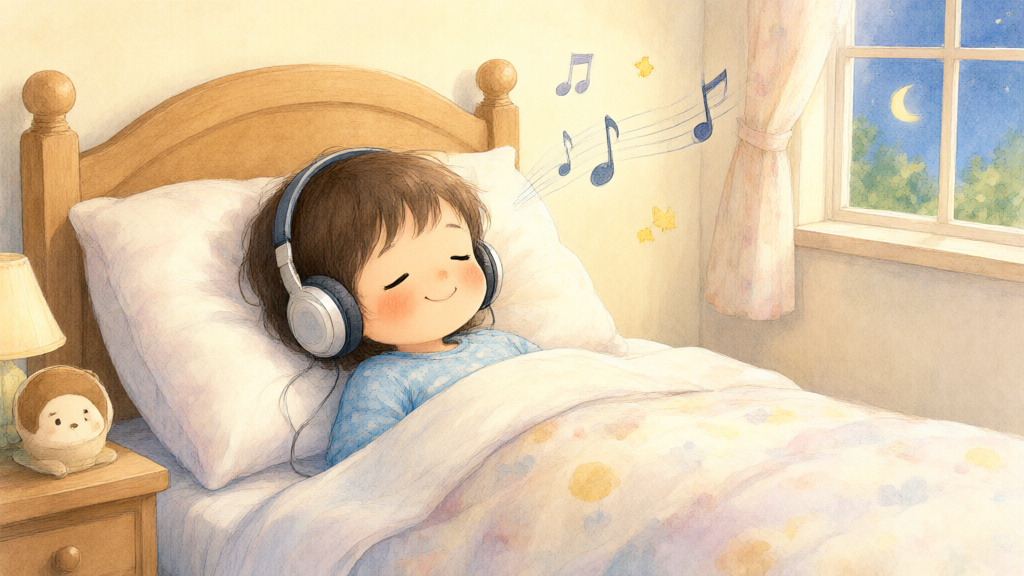
- Audio counts. Listening to stories in the car or during quiet time is a great addition. Read more in our guide to audio stories for kids.
When your kids are different ages
Reading to a toddler and a six-year-old at the same time is tricky. A few things that help: let the younger one choose a short book first, then read a chapter for the older one while the little one cuddles or drifts off. Or ask the older child to "read" a picture book to the younger one, describing the pictures. Big siblings often love the job, and it can ease some of the competition between them. If that competition gets loud, our guide on siblings fighting has ideas.
Personalized stories for every age
One thing works at almost every age: a story where your child is the hero. For a toddler, it's six short pages with their name and their teddy bear. For a six-year-old, it's a twenty-page adventure with their best friend, their little brother and the dog.
On Winktale you can make a Mini story (six illustrated pages, ready in a couple of minutes) or a Big story (about 20 pages, with a page editor and up to five family members, friends or pets). Every story comes with narration, so it also works as an audio story. Learn more on our personalized story book page.
Frequently asked questions
When should I start reading to my baby?+
The American Academy of Pediatrics encourages reading aloud from infancy. Even very young babies benefit from hearing your voice and looking at simple pictures.
How long should I read to my child each day?+
There's no single right number. Follow your child's attention: a few minutes for babies, longer for preschoolers and school-age kids. A daily habit matters more than the exact time.
Should I keep reading aloud after my child learns to read?+
Yes. Listening to books above their own reading level helps kids build vocabulary and enjoy longer, richer stories.
My toddler won't sit still for a book. What should I do?+
That's normal. Try shorter books, let them turn pages and hold the book, or read while they play nearby. Keep it short and fun.