Audio Stories for Kids: When They Help and How to Use Them Well
November 2, 2026 · 7 min read
Audio stories for kids are having a moment, and for good reason. They let children enjoy stories without a screen, on the go, at bedtime or while they play. For busy parents, they're a lifesaver on long drives and tired evenings. But are they as good as reading together? And how do you pick good ones?
Here's a practical look at when audio stories help, how to use them, and what to listen for.
Why listening is good for kids
Listening to stories gives children some of the same things reading aloud does:
- Vocabulary. Kids hear words they wouldn't meet in everyday conversation.
- Imagination. Without pictures, they build the scene in their own heads.
- Attention. Following a story from start to finish is real practice in focus.
- Calm. A quiet voice and a steady story can help a wound-up child slow down.
- Independence. A preschooler who can start their own story feels very grown-up.
Audio isn't a replacement for reading together. The closeness, the conversation and the pictures you look at side by side are special. But audio stories are a great addition, and on some days the only story time you can manage.
When audio stories work best
At bedtime
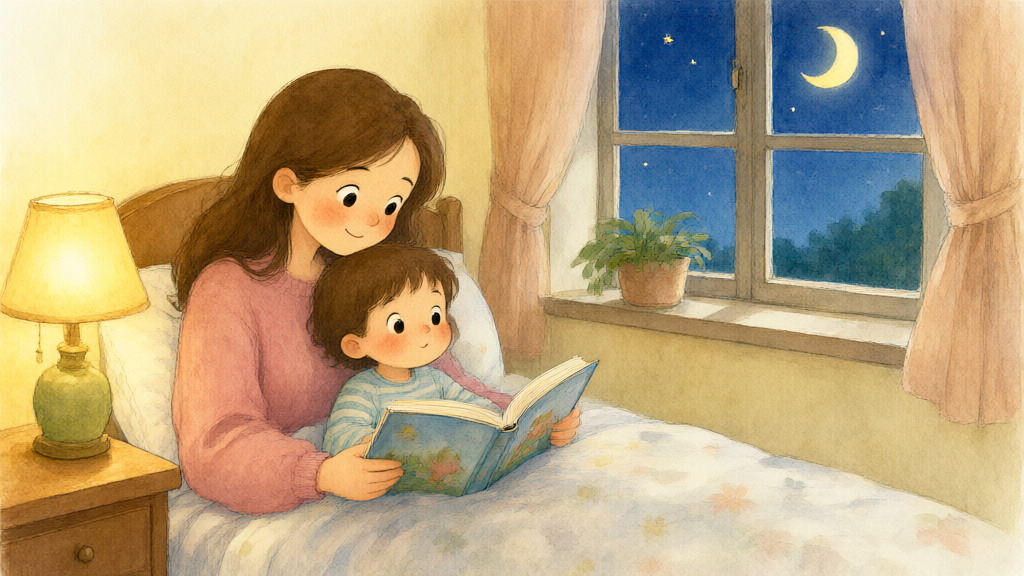
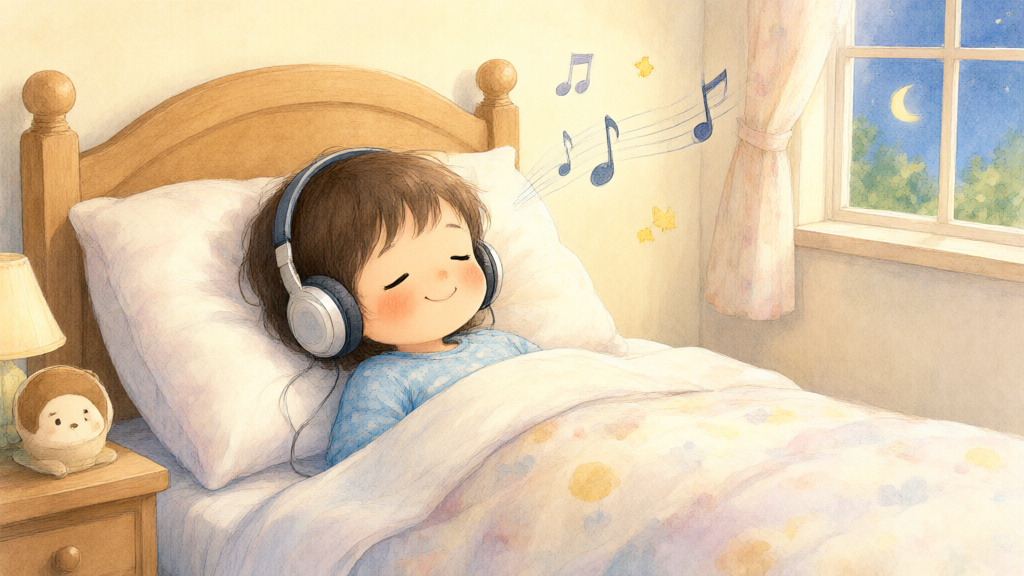
A calm audio story can be a lovely last step in the bedtime routine, especially for older preschoolers and school-age kids. Some families read a book together, then turn the lights off and play one short audio story as the child drifts off.
A few tips:
- Pick stories that are short and quiet, with a gentle ending.
- Keep the screen out of the bed. If the story plays from a phone or tablet, turn the screen face down or keep the device across the room. The AAP recommends keeping screens out of the bedtime routine, and that includes the glow of a phone.
- Use the same story or the same set of stories for a while. Repetition is calming.
If bedtime is generally a struggle, our guide on what to do when a toddler won't go to bed may help.
In the car
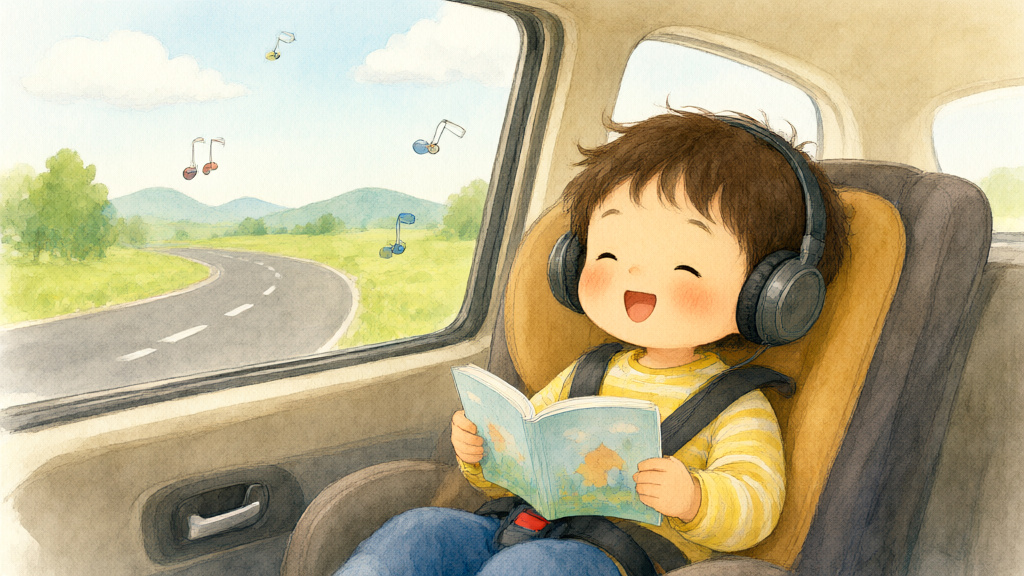
Car rides are where audio stories really shine. A good story can make a 40-minute drive to grandma's feel short and spare everyone the "Are we there yet?" chorus. For long trips, mix stories with songs, games and snacks. We collected more ideas in our guide to car trip activities for kids.
During quiet time
Many kids who've dropped naps still benefit from a rest hour. An audio story makes quiet time feel like a treat, not a punishment. Pair it with a puzzle, a coloring book, or just a pile of pillows.
When you're not available
Cooking dinner, feeding a baby, answering a work call. A story can give your child something calm and engaging to do for twenty minutes, without a screen.
For bilingual families
Audio is a natural way to give children more exposure to a second language at home. If your family speaks Spanish or German, stories in that language at bedtime or in the car can be a gentle, low-pressure way to keep the language part of everyday life.
How to choose good audio stories
Not all audio is equal. Look for:
- A clear, warm voice. Your child should be able to follow without straining.
- The right length. For preschoolers, five to fifteen minutes is often plenty. Older kids can enjoy longer stories or chapters.
- Gentle content at night. Save adventures with villains for daytime.
- Not too many sound effects. A bit of music is nice. A constant wall of noise can overstimulate.
- Stories with substance. Characters your child cares about, a real problem, a satisfying ending.
- Age fit. Toddlers need simple stories with repetition. Six-year-olds want plot and humor.
Always listen to a story yourself first, or at least the first time your child does. You'll know right away if it's too scary, too long or just not their thing.
Making audio stories more interactive
Listening doesn't have to be passive.
- Talk about it afterward. "What was your favorite part?" "What would you have done?"
- Draw the story. After listening, ask your child to draw the hero or the place.
- Act it out. Stuffed animals make great actors.
- Pause and predict. On a longer story, stop and ask, "What do you think happens next?"
- Listen together sometimes. Even if you're driving, a quick "Wow, that was a surprise!" makes it shared.
Common worries about audio stories
"Will my child stop wanting me to read?" Usually not. Most kids still want the closeness of a parent reading aloud. Audio stories tend to fill other moments: the car, quiet time, the last few minutes after lights-out.
"Is it just another screen?" Not if you keep the screen out of it. Audio on its own asks your child to imagine the pictures, which is very different from watching a fast-moving show. If the story plays from a tablet, put the tablet away or turn it face down.
"My child wants the same story every night." That's normal and even helpful. Familiar stories are calming, and kids often notice new details on the tenth listen.
"What about stories for hard moments?" Audio works well here too. A story about a dentist visit can play in the car on the way. For ideas, see our therapeutic stories, such as the one about going to the doctor.
Personalized audio stories
Kids love hearing their own name. A story where the hero has your child's name, their pet's name and their favorite toy will hold a young listener's attention in a way generic stories often don't.
Every Winktale story comes with narration, plus a video version and a PDF. You can make a short Mini story (six illustrated pages, ready in a couple of minutes) for tonight's bedtime, or a Big story (about 20 pages) for a longer listen, with up to five family members, friends or pets. Stories can be made in English, German or Spanish, which is handy for bilingual families.
Listen at bedtime, in the car or during quiet time, and look at the pictures together when you can. You'll find examples of calm, sleepy stories in our bedtime stories and short bedtime stories collections. For tips on choosing what to read and play at night, see our guide on how to choose bedtime stories.
Frequently asked questions
Are audio stories good for toddlers?+
Yes, in small doses. Short stories with repetition and a calm voice work best for toddlers, ideally with a parent nearby to talk about them.
Are audio stories as good as reading aloud?+
They're a great addition but not a full replacement. Reading together adds closeness, pictures and conversation. Many families use both.
Can my child fall asleep to an audio story?+
Many kids do. Choose short, quiet stories, keep the screen out of sight and consider a timer so the device turns off on its own.
Do Winktale stories have narration?+
Yes. Every story comes with narration, a video version and a PDF, in English, German or Spanish.