Toddler Won't Go to Bed? Calm Fixes for Bedtime Battles
November 2, 2026 · 7 min read
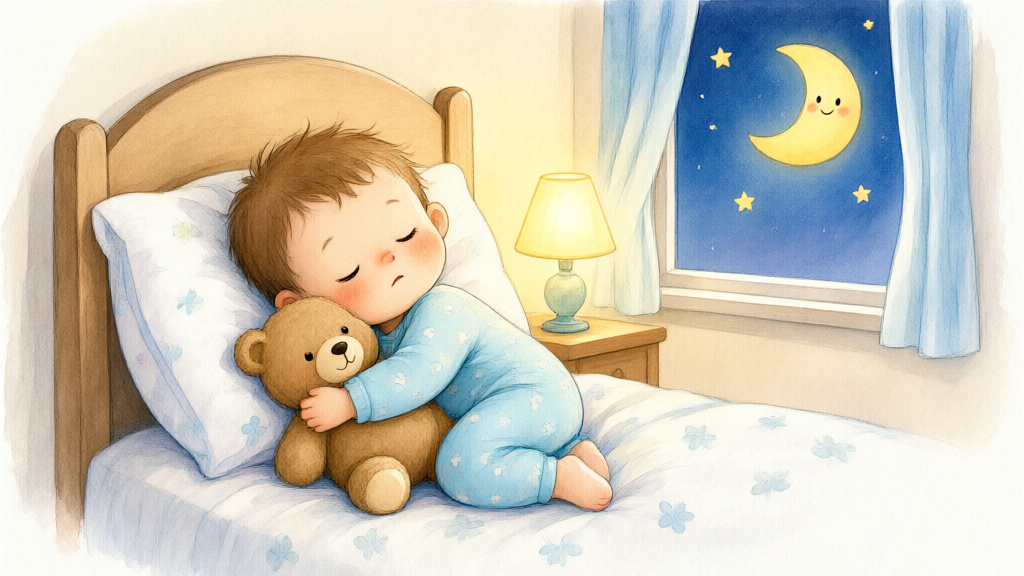
It's 8:15. You've done bath, pajamas, teeth and two books. Then the requests start: water, a different stuffed animal, one more hug, a sudden urgent need to discuss dinosaurs. If your toddler won't go to bed, you're in very large company. Bedtime resistance is something almost every family with a toddler runs into, and it usually has less to do with stubbornness than with how a young child's day, body and brain work.
Here's what's often behind it and what you can try tonight.
Why toddlers fight bedtime
They're not tired yet, or they're overtired
Both look the same at 8 p.m.: wild energy and no interest in sleep. A long late nap can push sleep later. A skipped nap or a busy day can leave a child so wound up they can't settle. If bedtime is a fight every single night, look at the whole day, not just the last hour.
They want more of you
For a toddler who spent the day at daycare or preschool, bedtime is when they finally have you. Stalling is often a way of saying "don't go yet." It isn't manipulation. It's connection.
They're testing a new kind of independence
Somewhere around two, kids discover they can say no, and they practice it everywhere. Bedtime is just one more place to try.
Something feels scary or uncomfortable
Fear of the dark, a bad dream last week, a room that's too warm or too bright. If your child seems anxious rather than playful, read our guide on helping a child who's afraid of the dark.
A change in their world
A move, a new sibling, starting preschool, a new caregiver. Big changes tend to show up at bedtime first.
How much sleep do toddlers need?
The American Academy of Sleep Medicine recommends about 11 to 14 hours in 24 hours for toddlers aged one to two, and about 10 to 13 hours for kids three to five, naps included. Every child is a little different, so watch your own kid. A child who wakes up cheerful and makes it through the afternoon without melting down is probably getting enough.
If your toddler's bedtime is 7:30 but they nap until 4, they may simply not be sleepy. Shifting the nap earlier or shorter is sometimes all it takes.
A bedtime routine that actually works
The best bedtime routine is short, boring in the best way, and the same every night. Something like:
- Dinner, then quiet play. No wrestling or tickle fights after this point.
- Bath or wash-up.
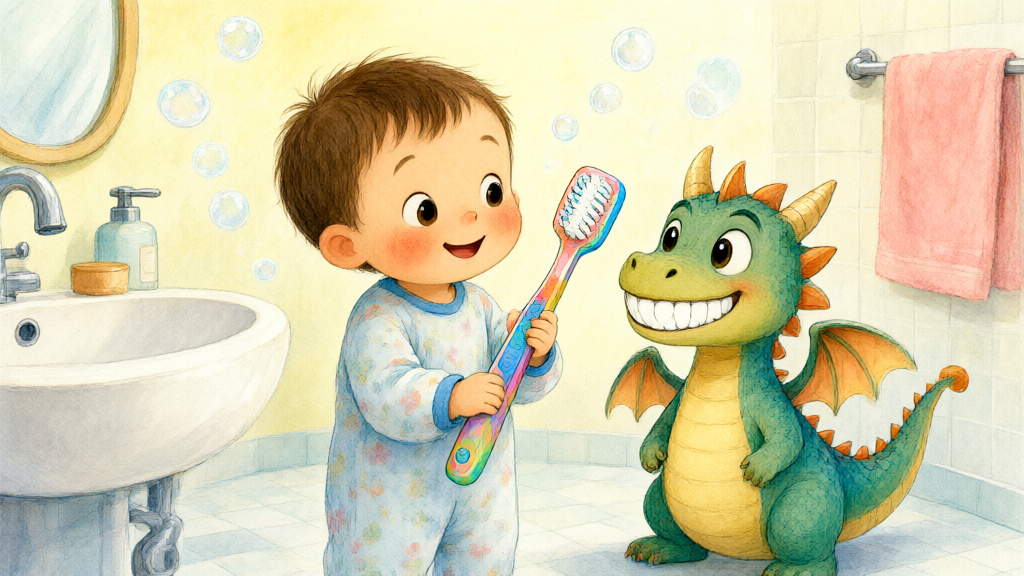
- Pajamas and teeth. (If brushing is its own battle, see what to do when a toddler won't brush teeth.)
- Into the bedroom, lights dimmed.
- Two books or one story.
- A short chat, a song, a hug, the same goodnight words.
- Lights out. You leave.
Twenty to thirty minutes is plenty. Longer routines give more room for negotiating.
A picture chart helps a lot with toddlers. Draw or print simple pictures of each step and let your child move a clothespin or sticker along as you go. It turns "because I said so" into "the chart says it's teeth time."
What to say when they stall
Toddlers are excellent negotiators. A few phrases to keep handy:
- Offer choices you're fine with. "Do you want the blue pajamas or the dinosaur ones?" "Do you want to hop or tiptoe to bed?"
- Name the feeling, keep the limit. "You wish you could stay up and play. It's hard to stop. It's sleep time now."
- Answer requests before they come. Put water by the bed, do the potty trip, pick the stuffed animal, all before lights out.
- Use a bedtime pass. One card per night they can trade for one extra thing: a hug, a sip, a question. When it's used, it's used.
- Promise a check. "I'll come back to check on you in five minutes." Then actually come back, quietly, and say goodnight again.
What helps less: long explanations, threats, and getting angry. It's normal to be frustrated at 9 p.m. But a loud, tense bedtime makes it harder for a child to relax, and they'll often stall even more the next night.
When your toddler keeps getting out of bed
Calm, boring, repeat. Walk them back without much talk: "It's sleep time. I love you. Goodnight." No new stories, no snacks, no big emotions. The first few nights may take a lot of returns. Most kids figure out that getting up isn't very interesting, and it eases off.
Some families prefer to sit by the bed and gradually move the chair toward the door over a week or two. Either approach can work. Pick one you can stick with, because consistency matters more than the method.
Small changes that help
- Make evenings dimmer. Lower lights for the last hour before bed. Bright overhead lights tell the brain it's still daytime.
- Keep screens out of the last hour. The AAP recommends keeping screens out of the bedtime routine, and many parents notice a real difference.
- Check the room. Cool, dark, quiet. A white noise machine can help if siblings or street sounds are loud.
- Watch the clock on naps. Late-afternoon naps are often the hidden reason bedtime drifts.
- Get morning light and outdoor play. An active day outside tends to mean an easier night.
How a bedtime story can help
Stories are useful for bedtime struggles in two ways. First, a good story is the calmest part of the routine, and a calm child falls asleep faster. Our guide on how to choose bedtime stories covers what works best in that last slot.
Second, a story can gently model the behavior you're hoping for. A hero who wants to stay up, finds out the night is peaceful, and drifts off in their own bed is something your child can picture and copy. When the hero has your child's name and the same stuffed animal, it lands even closer to home. You can browse bedtime stories for toddlers or short bedtime stories for ideas, or make your own personalized story on Winktale with the "sleeping in my own bed" lesson.
When to talk to your pediatrician
Most bedtime battles are a phase. But mention it at your next visit, or sooner, if:
- your child snores loudly, gasps or seems to stop breathing during sleep;
- they wake many times a night for weeks;
- they're very sleepy, cranky or hyper during the day despite enough time in bed;
- bedtime fears seem intense or are spreading to the daytime.
A story is a gentle way to start a conversation, not a treatment. If sleep trouble lasts for weeks or affects your child's days, talk to your pediatrician or a child psychologist.
Frequently asked questions
What time should a toddler go to bed?+
There's no single right time. Many toddlers do well with a bedtime somewhere in the early evening, but it depends on when they wake up and nap. Count back from wake-up time using the recommended hours of sleep.
Why does my toddler suddenly refuse to go to bed?+
Common reasons include a nap that's too late or too long, a developmental leap, a new fear, or a change like a new sibling or starting preschool. Look at what's changed in the past few weeks.
How long should a toddler bedtime routine take?+
About 20 to 30 minutes works for most families. Long routines tend to invite more stalling and negotiation.
Should I stay in the room until my toddler falls asleep?+
It's fine if it works for your family. If you'd like to step back, try short check-ins or move your chair a little closer to the door every few nights.